
New World Screwworm (NWS) has been confirmed in U.S. livestock for the first time in decades, and the headlines are moving faster than the facts. The most concerning part of this issue has little to do with the parasite itself.
The pest is serious, the animal health risk is real, and the economic stakes are high. But the most important thing ranchers, processors, lenders, trade associations and consumers need to understand is that the U.S. beef supply remains safe. This is an infestation in living animals, not a contaminant in meat. Screwworm larvae feed on the tissue of warm-blooded animals through open wounds, and untreated cases cause severe wounds, suffering and death. Severely infested animals are removed from the food supply.
Two things can be true at once. The beef supply is safe, and the entire supply chain must prepare for significant disruption. Holding both of those ideas at the same time is the first job of anyone communicating about this.
We know how to fight this pest. The sterile insect technique helped eradicate it here once before, and USDA’s Animal and Plant Health Inspection Service (APHIS) is releasing sterile flies, trapping and running coordinated surveillance in South Texas. The science is settled and the protocols to contain and eradicate the parasite already exist. The hardest part of this response may come down to one decision on one ranch — a producer spots a suspicious wound on an animal and has to decide whether or not to report it.
That decision is urgent because screwworm can move quickly. Left untreated, it can kill an animal within days. Early treatment protects the animal and gives officials the best chance of stopping the pest before it spreads through livestock movement, wildlife or neighboring herds. Once a suspected case becomes an official case, the consequences can expand from one animal to the entire operation. A rancher who reports a case is facing quarantine, inspections, movement restrictions and an uncertain timeline for when any of their cattle can ship again. USDA has been clear that producers do not have to cull their herds when a case is found, which is an important clarification to some of the information circulating around this issue. Successfully treated animals can return to the supply chain.
The economic problem is different. If cattle cannot move, income can stop. If market-ready animals are held too long, they keep gaining weight and may fall outside normal processing specs. Producers remember what happened during COVID, when processing disruptions backed up livestock and forced some operations into impossible decisions, including giving away or euthanizing animals that no longer had a path to market.
That experience shapes how ranchers understand the impact of the word quarantine. They are thinking about one infected animal and whether reporting one case could trap the rest of the herd, cut off cash flow and leave them carrying the full cost of doing the right thing.
That incentive problem sits at the center of this response strategy, which must be guided by containment and eradication. If a producer believes the safest financial move is to quietly treat or remove one or two animals and keep shipping, the entire containment effort becomes vulnerable. Livestock movement is one of the fastest ways this pest can spread, which is why trade partners are focused on live animal restrictions rather than beef imports and exports.
USDA is right to push back on any suggestion that suspected cases should go unreported, but public rebukes will not be enough. Ranchers need practical confidence before they report –what happens next, how long restrictions may last, what treatment looks like, what relief exists, how market access will be protected and who will help them navigate the process.
That is where communication becomes a critical piece of the containment strategy. Reporting has to feel like the responsible and survivable choice, not the moment a producer loses control of the entire operation.
In a fast-moving animal health situation misinformation does not wait for the next official update, so it is important to get ahead of rumors and address them head on as new information becomes available. People are going to assume screwworm makes beef unsafe when it does not. They will assume a case two counties away does not concern them, even though market reaction and media attention travel faster than the pest. They will assume that producers simply need to be told to report, when reporting hinges on trust, cost and clarity. The longer the industry waits to say these things plainly, the more those problematic assumptions harden.
So three things have to happen now.
The financial cliff has to be named, not glossed over. If indemnity or emergency relief exists, producers need to understand what it covers, who qualifies and how they can access it. Where it falls short of the real cost, industry leaders should say so clearly and advocate to close the gap, rather than asking producers to absorb the burden alone.
The message has to come from people ranchers already trust. A press conference in Washington will not do the job. The voices that move behavior are the local veterinarian, the extension agent, the auction market, the lender, the producer association, and the neighbor who reported early and saved his herd. Containment is a peer-to-peer story or it is nothing.
And the response has to stay out of the political arena. The temptation to turn screwworm into a proxy fight over the border or agency competence is already visible, and some of those questions may be fair. But if blame becomes the story, the parasite is the only winner. The ask to producers should stay simple and apolitical. Report early, protect your herd and your neighbor’s, and keep markets moving.
The organizations that come through this well will be the ones that know what they know, admit what they do not, and have a disciplined way to keep people updated as the facts evolve. In practice, that discipline is concrete. It looks like a mixture of up-to-date knowledge and transparent ways to communicate with key stakeholder audiences:
- Daily monitoring of USDA, APHIS, state animal health agencies, trade associations and credible industry media
- Fact sheets that separate animal health risk from food safety risk
- Message maps for producers, employees, customers, lenders, media and policymakers
- Media training for leaders who may be asked to comment quickly and publicly
- Media relations protocols that define who responds, what they can say and when to escalate
- Scenario planning for confirmed local cases, movement restrictions, customer concern, activist framing and market disruption
- Internal updates that help teams stay informed without speculating
- A plan for correcting misinformation without amplifying it
This is what Corkboard Communications does. We help agriculture and other highly-regulated industries communicate when the facts are still moving, the stakes are high and trust is the currency. Screwworm is not a reason to panic. It is a reason to prepare, and in agriculture, preparation is both a communications and operations assignment.
Download our Animal Health Event Readiness Guide to learn how we help organizations prepare, respond and protect trust.
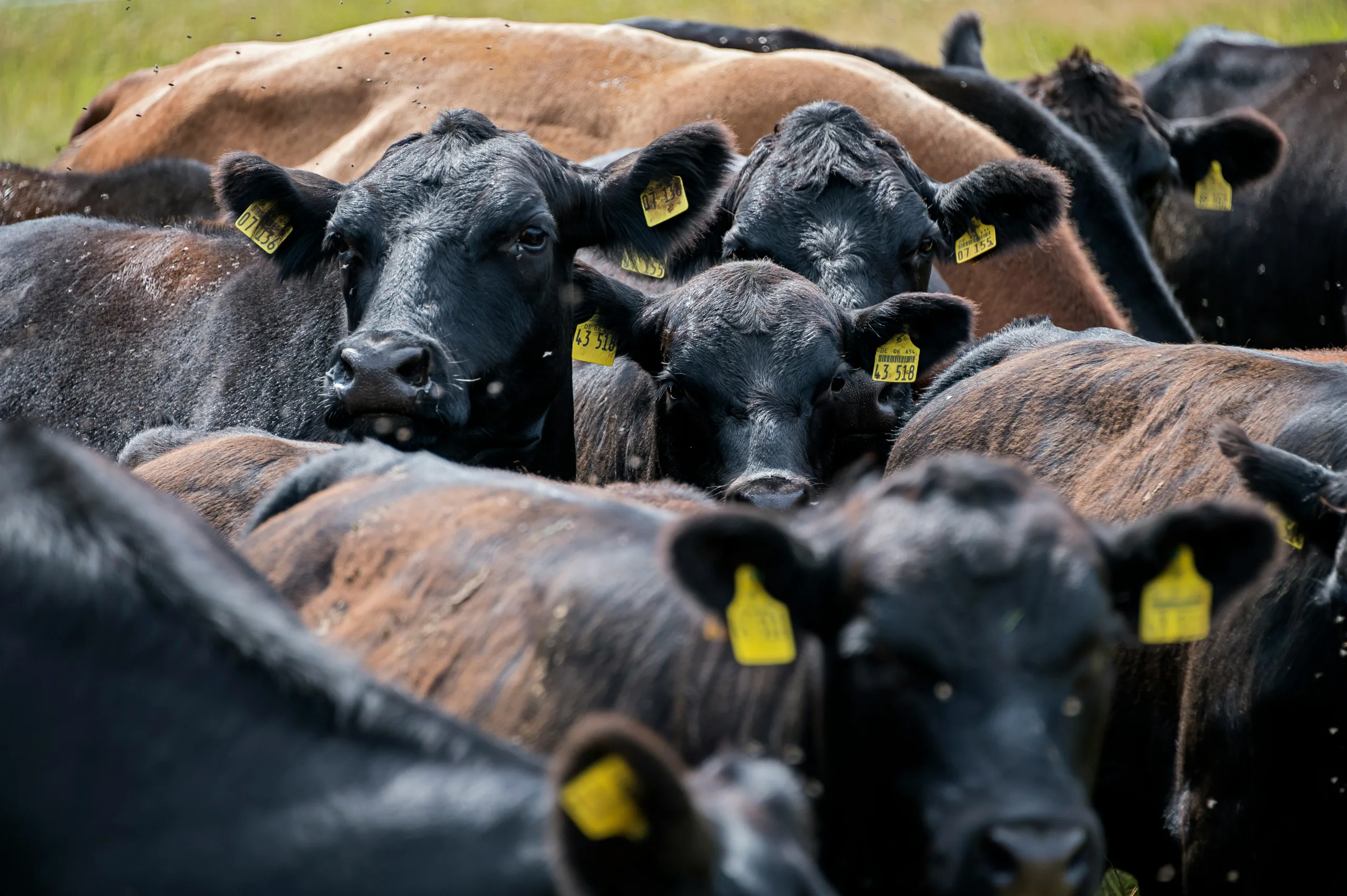
Photo by Etienne Girardet on Unsplash