
As food safety, animal health, natural disasters and rising costs converge, the communications risks add to the operational challenges.
The cyclospora surge has become the defining food crisis of the summer. CDC now reports 4,173 laboratory-confirmed domestic cases across 41 states, 308 hospitalizations and more than 7,400 additional cases still under review. State-reported totals indicate 2026 has already surpassed the previous U.S. record of roughly 4,700 cases set in 2019. It is the largest year on record, although it includes several clusters and not every illness has been tied to lettuce.
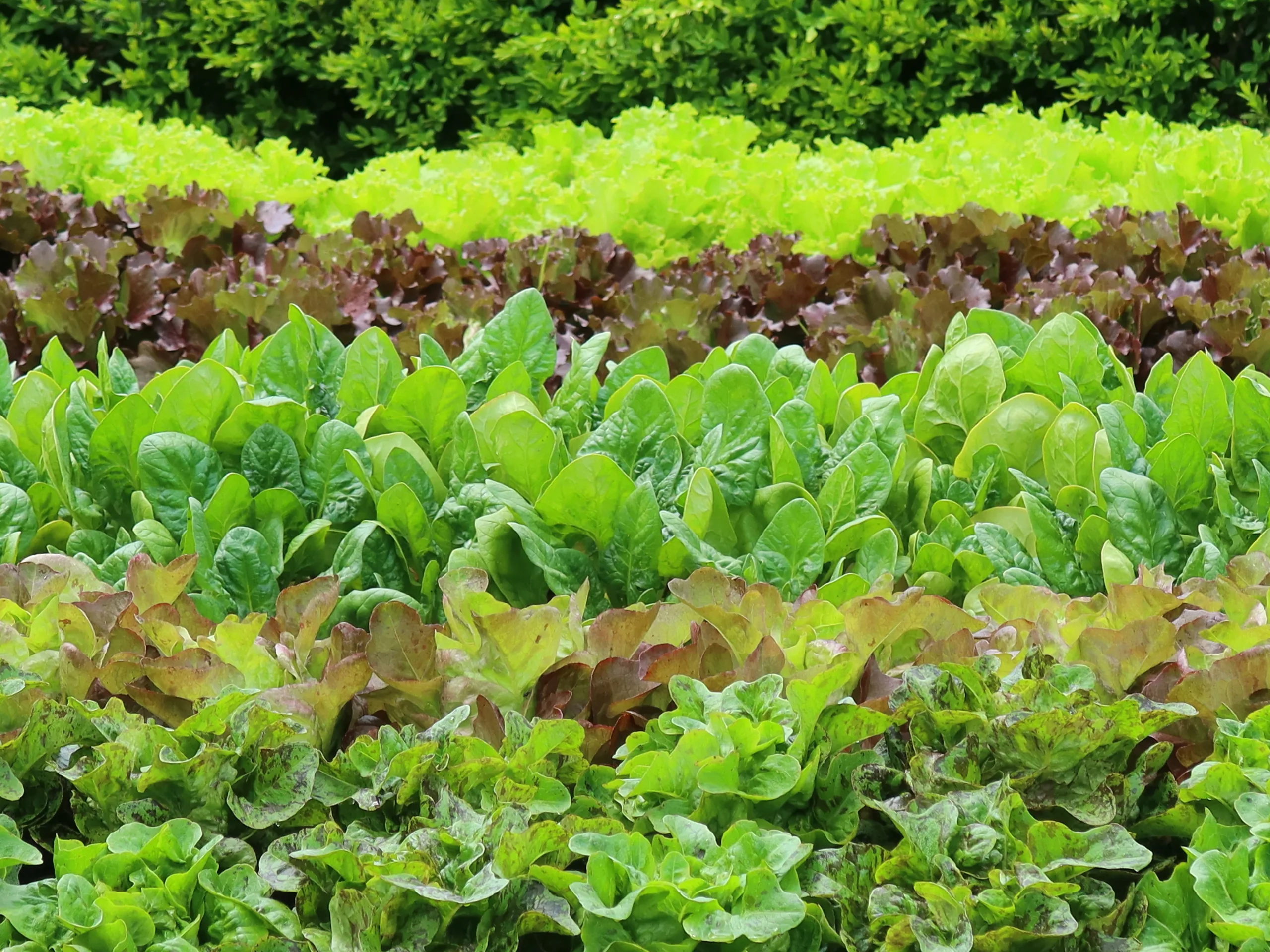
One cluster of more than 1,644 illnesses has been linked to shredded iceberg lettuce supplied by Taylor Farms de Mexico and served at Taco Bell. FDA’s traceback still points to the supplier, even after the agency withdrew an initial positive product test as a false positive, and the massive recall remains in place.
Taylor Farms, retailers, restaurants and consumers are navigating a shifting mix of confirmed cases, probable cases, traceback findings, company statements and headlines. The most credible sources are reporting different pieces of a fast-changing picture on different timelines.
By the time “poop lettuce” becomes the public shorthand, every business associated with fresh produce feels the impact and trust of an entire product category is taking a hit.
And that’s just one aspect of the pressure facing food and agriculture this summer.
New World Screwworm detections have brought livestock movement restrictions and an expanding federal and state response. Nearly half of the lower 48 is experiencing drought. Flooding has damaged agricultural operations in Missouri and threatened communities and supply routes in Texas. More than 3.9 million acres have burned nationwide this year, well ahead of the same point in 2025. Farm production expenses are forecast to reach $477.7 billion.
Each issue has different causes and consequences, but the communications failure points are remarkably consistent.
Facts are incomplete. Authority is divided. Employees, producers, customers, regulators, elected officials, communities and reporters need different information. Leaders must communicate while scientists, operators, lawyers and government agencies are still determining what happened and what comes next.
That is not the time to start building a communications plan.
Food and agriculture organizations should already know who verifies facts, who approves messages, who speaks publicly and which stakeholders need direct outreach. They need a clear source-of-truth protocol, escalation thresholds, current contact lists and adaptable materials for employees, customers, members and media. Those systems should be tested before the pressure arrives.
No crisis plan can stop a parasite, drought, flood, wildfire or animal disease, but it can prevent confusion, contradiction and silence from making the damage worse.
The best time to plan for a crisis was yesterday. The next best time is today.
Learn more about how Corkboard Communications helps organizations prepare for and navigate complex issues in our crisis communications readiness for organizational leaders overview.