
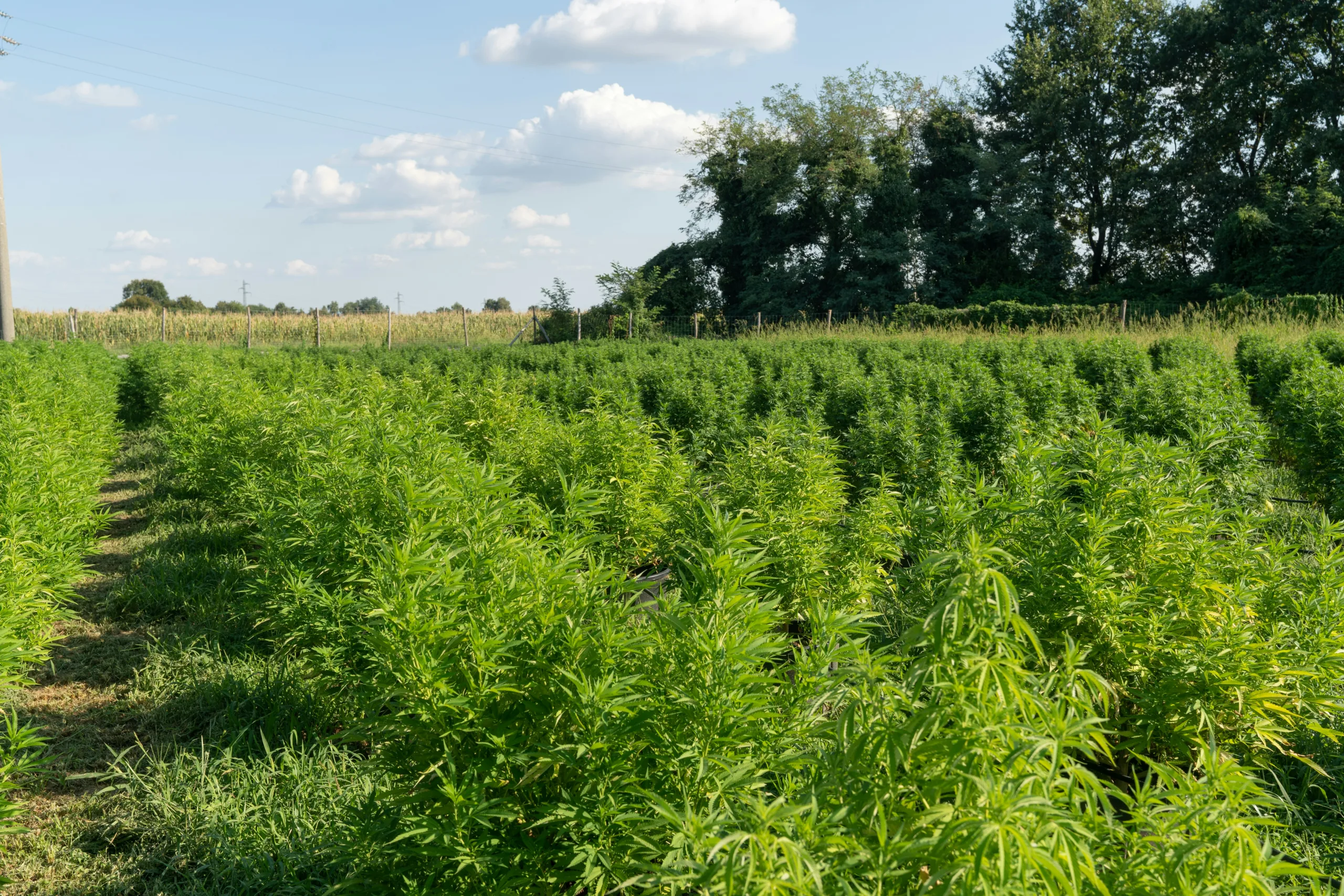
The hemp industry may be entering healthcare pathways at the exact moment its regulatory runway narrows. Beginning April 1, 2026, the Center for Medicare and Medicaid Services (CMS) formally opened a new hemp-related pathway through the Substance Access Beneficiary Engagement Incentive (BEI) for participating Accountable Care Organizations (ACO) REACH and Enhancing Oncology Model (EOM) organizations. For hemp growers, processors and CBD brands, this is more than a policy update. It is a signal that hemp-derived products are beginning to move from retail shelves into clinician-guided care environments.
At the same time, the opportunity arrives alongside a looming compliance challenge. Federal hemp law changes expected to take effect in November 2026 may tighten total THC thresholds and impose strict per-container limits for many finished products. That means the industry is now managing two realities at once — institutional access and regulatory compression. That tension is the real story. This is no longer just a market-access issue. It is a systems issue involving policy timing, product design, supply-chain discipline and public trust.
What the CMS hemp pilot means for growers and product manufacturers
The CMS Substance Access BEI, now available through participating ACO REACH and EOM pathways, marks an important shift in how hemp-derived products may be considered inside care delivery settings. LEAD participants are expected to join in 2027. This is not a broad reimbursement policy change, and it does not represent full Medicare coverage. It is a federal signal that hemp-derived products may have a place in clinically guided, institutionally managed care environments when the framework is tightly controlled.
That distinction matters because this is not just retail CBD in a new wrapper. It is a clinician-guided use case with reporting obligations, documentation standards and operational guardrails. For growers, processors and product developers, the conversation now shifts from consumer demand to institutional readiness.
Why the November 2026 THC limits create compliance risk
The next challenge may arrive before the market has fully adjusted to the first. Federal discussions expected later this year may redefine hemp compliance standards, with some interpretations pointing toward significantly tighter total THC thresholds, including per-container caps.
If adopted as currently discussed, products built to fit the April healthcare pilot may require reformulation, retesting or new manufacturing controls by November. That does not mean the pilot loses momentum. It does mean the market may be forced to solve two policy challenges at once: how to responsibly serve a healthcare use case and how to remain compliant under a narrower federal definition.
This is not a simple regulatory update. It is a commercial and operational risk. A product that fits in April may not fit in November, creating uncertainty not only for manufacturers and institutional partners, but for the growers and processors upstream who are already navigating variability and market pressure.
Why this is fundamentally a communications issue
This is exactly where strategic communications becomes business infrastructure. In stable markets, strong products can often speak for themselves. In policy-driven markets, they cannot.
Narrative, compliance and operations must move together. When they fall out of sync, credibility erodes faster than demand can grow. The hemp sector now needs more than advocacy. It needs alignment.
That means building a clear and credible narrative across farmers, processors, researchers, clinicians, regulators, lawmakers, investors and institutional partners. Each group is asking a different question. Farmers want clarity on crop viability and genetics risk. Healthcare stakeholders need confidence in evidence, safety and traceability. Policymakers need proof that the industry can operate inside a disciplined rule set. Investors want to understand whether this is a scalable market or another cycle of policy whiplash.
Those stories must connect. This is not simply about defending hemp. It is about demonstrating that the industry can meet a more demanding operating environment.
The farmer-first story cannot get lost
This is where the industry must be especially careful. Hemp’s healthcare-adjacent future should not eclipse its agricultural identity. At its core, hemp remains a farm crop, and that means this conversation is also about rural economies, domestic production capacity, sustainable agriculture and long-term grower confidence.
The farmer-first story is not separate from the healthcare story. It is foundational to it. If policy volatility creates uncertainty around genetics, THC variability or downstream market demand, that risk lands first with the grower. Any credible industry narrative must keep that reality front and center.
What comes next
The next phase is not simply policy advocacy. It is operational preparation. Growers need to evaluate genetics, THC variability and harvest risk. Processors need stronger testing, documentation and traceability systems. Researchers need space to generate defensible evidence. Communicators need to translate complexity into a clear public case for why hemp belongs in the future of American agriculture and carefully governed health policy.
The organizations that lead this next chapter will not be the loudest voices in the market. They will be the ones that align science, compliance, farmer economics and public trust before policy forces the issue. Momentum matters, but in this market, discipline matters more.
Photo by CRYSTALWEED cannabis on Unsplash